
Matthew Singh - 05/08/2026
The 2026 Met Gala served as another example of how cultural conversations continue to shape brand reputation in real time, reinforcing why having the right PR and communications strategy is more important than ever.
Every year, the Met Gala dominates headlines beyond fashion, celebrity, and entertainment. But this year’s event became something larger: a real-time example of how quickly public perception can shift around wealth, corporate influence, celebrity activism, and brand alignment.
Much of the conversation surrounding the gala was not just about who attended, but who chose not to attend, why they stayed away, and the criticism directed at nearly everyone involved. The scrutiny surrounding reported ties to funding connected to Jeff Bezos and the broader billionaire class added another layer to the event, turning what is traditionally a luxury fashion spectacle into a larger public debate about optics, values, and authenticity.
For PR professionals and brands, the 2026 Met Gala highlighted a major communications reality: visibility alone is no longer enough. Today, every appearance, partnership, sponsorship, and absence carries meaning.
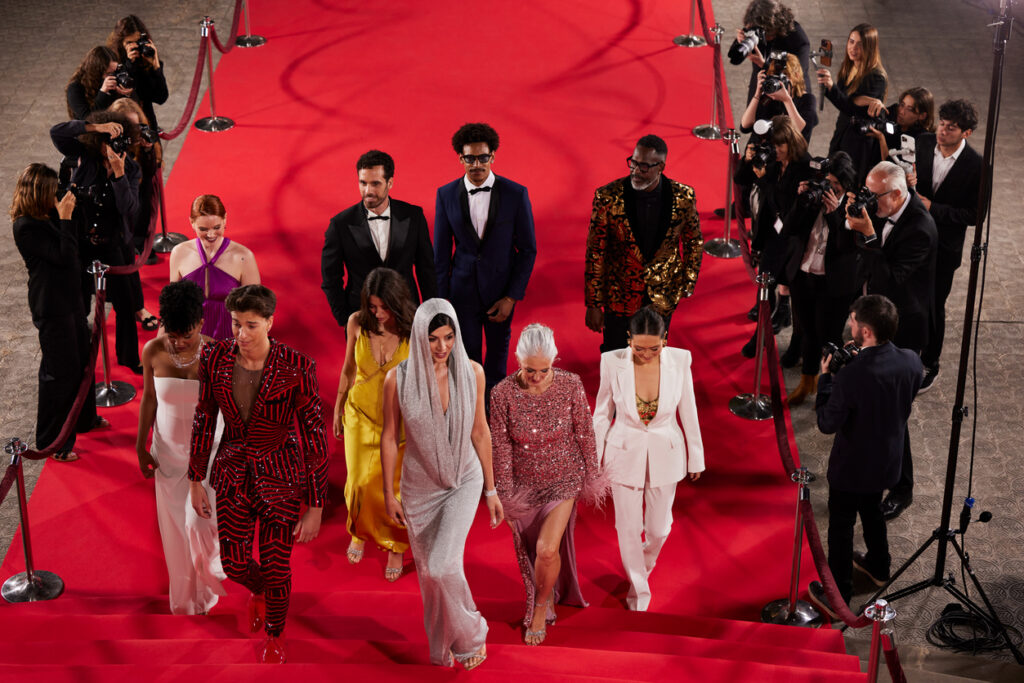
Attendance Became a Statement and So Did Nonattendance
This year, several celebrities reportedly faced praise for opting out of the event as a form of quiet protest against growing concerns around wealth concentration, corporate influence, and the increasingly exclusive nature of celebrity culture.
At the same time, many of the stars who did attend faced criticism online for participating during a period marked by economic anxiety, political tension, and heightened conversations around inequality.
That dynamic created a difficult environment from a PR standpoint:
- Attend, and risk accusations of being out of touch
- Decline, and risk appearing performative or politically calculated
- Stay silent, and allow audiences to define the narrative for you
This reflects a broader shift happening across communications and brand strategy. Public audiences are no longer separating entertainment, business, and social values into different conversations. They increasingly evaluate public figures and brands through all three lenses simultaneously.
Brands Are Now Judged by Association
One of the clearest takeaways from the gala is how much audiences now scrutinize associations.
Consumers are paying closer attention to:
- Who funds events
- Which companies sponsor activations
- Which celebrities align with certain brands
- What executives or investors represent publicly
- Whether participation aligns with a brand’s stated values
For years, visibility at high-profile events was viewed almost universally as positive exposure. Today, audiences are far more skeptical. A luxury partnership or celebrity appearance can generate both aspiration and backlash at the same time.
That means PR teams must think more critically about not just opportunities themselves, but the broader ecosystem surrounding them.
Questions communicators increasingly need to ask include:
- What conversations are already happening around this event?
- Could this partnership create reputational risk?
- How will different audience groups interpret this association?
- Does participation align with our broader messaging and values?
The Met Gala demonstrated that context now shapes coverage as much as the event itself.
The Era of Passive Celebrity PR Is Over
Another major shift highlighted this year is the expectation that public figures explain their choices.
Celebrities who attended faced questions online about privilege and optics. Celebrities who skipped the event faced questions about sincerity and activism. In many cases, audiences demanded explanations either way.
This represents a fundamental evolution in PR: silence no longer guarantees neutrality.
Public figures and brands increasingly operate in an environment where audiences expect transparency, context, and values-driven positioning. Even entertainment events are now interpreted through cultural and political frameworks.
For communications professionals, this means media training and reputation management are becoming significantly more nuanced. Messaging today is not just about promotion — it is about navigating interpretation.
Social Media Turned the Event Into a Reputation Stress Test
The Met Gala has always generated conversation, but this year’s reaction cycle moved faster and became more polarized than ever.
Within minutes:
- Red carpet looks became memes
- Attendance lists sparked criticism
- Brand partnerships were dissected
- Social commentary overshadowed fashion itself
The result was an event that functioned almost like a live reputation stress test for celebrities, brands, and sponsors alike.
For PR teams, the implications are significant:
- Real-time monitoring is essential
- Cultural awareness matters as much as media outreach
- Crisis planning must include social and viral scenarios
- Messaging must be flexible enough to adapt to rapidly changing public sentiment
Traditional communications timelines no longer exist in the same way. Public perception can shift within hours — sometimes minutes.
What This Means for Brands Going Forward
The 2026 Met Gala reinforced that modern PR is no longer just about generating attention. It is about understanding the emotional and cultural context surrounding that attention.
Brands and clients moving forward will need to think more carefully about:
- The optics of partnerships and sponsorships
- The social climate surrounding major campaigns
- Authenticity versus performative messaging
- Audience expectations around transparency
- How quickly online narratives can evolve
Most importantly, this year’s gala showed that audiences are no longer passive consumers of celebrity culture or brand marketing. They are active participants in shaping the narrative.
For PR professionals, success increasingly depends on anticipating those conversations before they happen — not simply reacting after the fact.
The Met Gala may still be a fashion event at its core, but in 2026, it also became one of the clearest examples yet of how reputation, culture, business, and public sentiment are now completely intertwined.
 As cultural conversations continue to shape brand reputation in real time, having the right communications strategy has never been more important. Whether your organization is navigating public scrutiny, launching a major campaign, managing executive visibility, or responding to fast-moving online narratives, 3E Public Relations can help.