
admin - 07/15/2026
As social media and influencers continue to impact the food industry, restaurateurs can adopt key creative marketing tactics to effectively reach and influence more consumers.
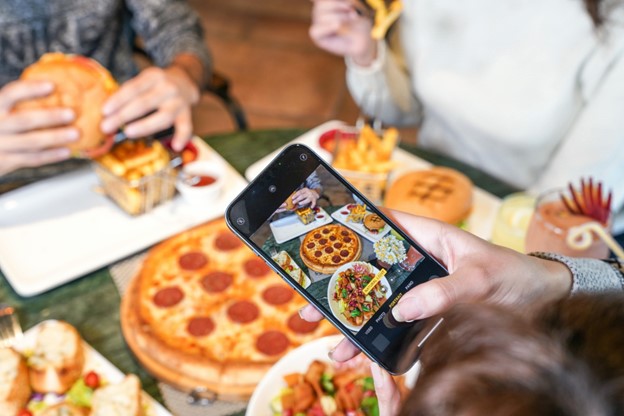
Over the past several years, social media has transformed the restaurant industry. Platforms like TikTok, Instagram, and YouTube have become some of the primary drivers of food culture, restaurant popularity, and consumer behavior.
Many food brands and restaurants now rely more on influencers and social media content to attract customers than traditional advertising. Whether it is a trending dessert, a viral review, or a creator posting a “must-try” local spot, social media now plays a major role in deciding where people go to eat.
In this blog, we’ll explore how social media is impacting the restaurant industry and the importance of adopting these marketing tactics to reach and influence consumers.
The Rise of Food Influencers and Viral Food Content
Food content has become one of the most popular categories across social media platforms. Think about it, in the past week have you seen any of the following on your feed?
● Restaurant review
● Taste test
● Mukbang – “a video of someone eating large amounts of food”
● Cooking tutorial
● Food recommendation
While some of this content is created by the restaurants themselves, a large percentage is likely developed by influencers who are shaping consumer decisions. When influencers visit a new restaurant or post about a trending menu item, followers often become interested in trying it themselves. Many consumers now discover restaurants through social media before even checking Google or Yelp reviews.
 Because of this impact, businesses now actively collaborate with influencers as part of their marketing strategies. Restaurants frequently invite creators to dine for free or provide a comped meal plus compensation in exchange for quality content creation. Consumers watching an influencer’s content often feel like they are receiving recommendations from a trusted friend rather than viewing a traditional advertisement. This authenticity helps brands build stronger relationships with current customers while also reaching a larger online audience.
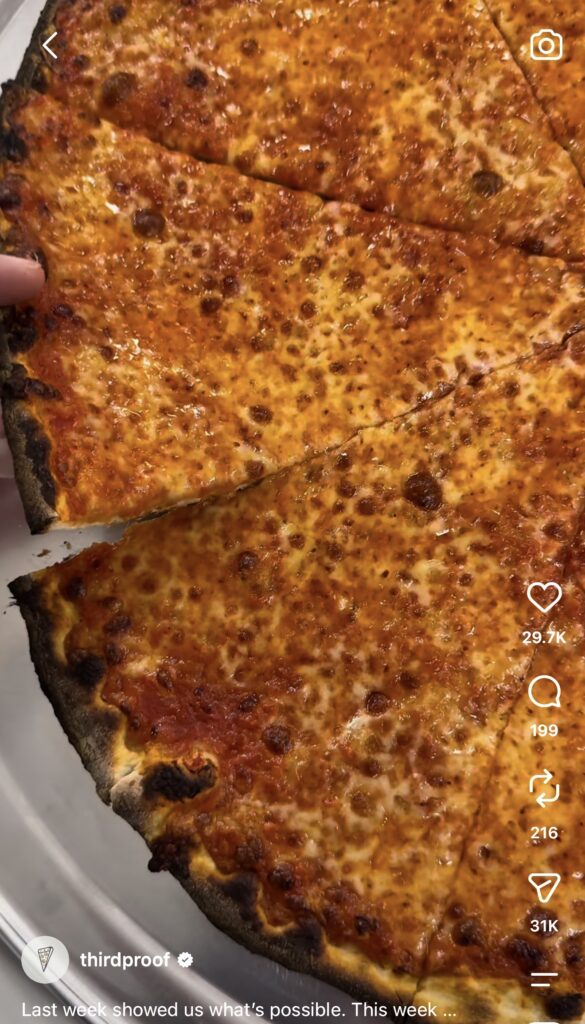
Viral food videos can also quickly create huge attention for businesses, especially smaller local restaurants trying to build a name for themselves. One example of how viral social media content helped launch a restaurant is Third Proof Pizzeria in Pine Brook, New Jersey. Although the restaurant only opened within the past year, it has already built a strong online presence and gained over 12,000 Instagram followers. Visually appealing content showing their unique menu items, such as the Hot Honey Pepperoni pizza with whipped ricotta, helps them stand out from traditional pizza restaurants and drive visits.
Restaurants like Third Proof show how businesses can quickly grow by combining quality food with strong social media marketing. Viral videos and influencer content can turn smaller local businesses into overnight sensations, creating long lines and increased attention.
How Trends Influence Restaurants and Business Strategies
In order to stay relevant in today’s competitive food market, restaurant owners should be monitoring food and beverage trends to identify ones they can tap into to drive business. Social media trends strongly impact which content users will see in their algorithm therefore giving owners the opportunity to increase reach.
For example, the Dubai Chocolate trend, which seemed to appear overnight and quickly spread across TikTok and Instagram. Suddenly, everyone wanted to try it, and businesses rushed to create their own versions to capitalize on the popularity.
Restaurants often will recreate viral menu items or aesthetic drinks because they know customers are more likely to purchase foods they already recognize from social media videos.
This trend driven culture has completely changed how restaurants market themselves. Businesses now focus heavily on creating foods and presentations that are visually appealing online. Restaurants redesign plating styles, create limited-time menu items, and develop TikTok-inspired foods specifically to encourage customers to order from their restaurant and or post content online.
Becoming viral on social media can significantly increase sales and online visibility, especially for smaller businesses trying to compete against bigger businesses. However, constantly chasing trends can sometimes hurt originality and create short-lived hype rather than long-term customer loyalty.
Businesses must find a balance between staying relevant online and maintaining their own identity.
The Positive and Negative Impact of Social Media on the Restaurant Industry
While social media has created many opportunities for the food industry, it has also introduced challenges.
One major advantage is the increased visibility it gives to small businesses. A single viral video can help a local restaurant reach thousands or even millions of people overnight. Social media also allows restaurants to market themselves faster and interact directly with customers through comments, reposts, and user-generated content. Restaurants can build loyal communities online while gaining instant feedback from consumers.
At the same time, social media can create unrealistic expectations and intense pressure for businesses. Overhyped restaurants may disappoint customers when real life experiences fail to match viral videos. Negative reviews also spread quickly online and can damage a restaurant’s reputation almost instantly. Additionally, businesses may feel pressure to constantly follow trends to remain relevant, even if trends only last for a short period of time. The fast-paced nature of social media means that what is popular today may be forgotten within weeks.
5 Social Media Tactics Every Restaurant Should Be Using
If you’re a restaurant looking to strengthen your online presence, simply posting photos of your food is no longer enough. Here are five strategies that can help increase engagement and bring more customers straight to your restaurant.
- Prioritize Short-Form Video
Short-form videos on platforms like TikTok or Instagram Reels are consistently receiving more engagement than plain, boring pictures. Some video ideas could be showcasing behind-the-scenes kitchen footage, food preparation, customer reactions, or new menu launches to capture attention to your restaurant. - Partner with Local Food Creators
You don’t need celebrities to make an impact. Micro-influencers with loyal local audiences often generate higher engagement and can introduce your restaurant to customers in your area. Invite creators to try your restaurant in exchange for content. - Create Content Worth Sharing
Think beyond the food itself. Eye-catching plates, unique drinks, limited-time menu items, and interactive experiences give customers a reason to take photos and post about their visit. - Participate in Relevant Trends
Jumping on trending sounds, challenges, or viral menu items can increase visibility, but only when it makes sense for your brand. Focus on trends that naturally fit your restaurant rather than forcing every viral idea into your marketing strategy. - Engage With Your Community Consistently
Respond to comments and reviews, repost customer content, and interact with your audience regularly. Social media is a conversation, not just a place to advertise. Consistent engagement helps build trust, encourages repeat visits, and strengthens customer loyalty.
Social media has transformed how restaurants attract customers, build brand awareness, and compete against other restaurants. Success today isn’t just about serving great food it’s about creating content and experiences people want to share. Restaurants that consistently produce engaging content, collaborate with creators, and build authentic relationships with their online communities will be better positioned to stand out and turn online attention into loyal customers.
Overall, social media has completely changed the restaurant industry as we used to know it. Influencers and viral trends now shape what and where consumers eat and what businesses decide to sell.
If you are a restaurant or hospitality group looking to explore how social media and influencer marketing can help drive revenue, reach out to us here or at socialmedia@3epr.com.
 This guest blog was written by 3E PR intern Corey Fishman.