
admin - 08/11/2026
Why does a 45-second TikTok video filmed in a person's car seem more convincing than a million-dollar-budget advertisement? Read on to find out why and how you can adapt your brand strategy accordingly.
The Rise of TikTok as a Trusted Source
“TikTok made me buy it” is no longer just a viral trend; it’s a demonstration of the extent to which social media influences consumer choices.
Nowadays, the majority of consumers are more likely to believe a stranger’s TikTok product guide than a professionally produced advertisement. TikTok has emerged as one of the main factors that is influencing consumer behavior in a variety of markets, including skincare, apparel, dining, fitness – the list goes on and on.
It’s critical for PR professionals and brands to understand this change. While traditional advertising still has value, its impact on consumers – particularly Gen Z– is just one part of a more complex marketing mix. Audiences are seeking genuine and reliable viewpoints from creators, influencers, and even the average user on the platform.
So why does a 45-second TikTok video filmed in a person’s car seem more convincing than a million-dollar-budget advertisement?
It all boils down to authenticity.
 Traditional advertising feels too polished
Commercials dominated advertising for decades. They were a primary method brands used to generate exposure and market their products across television, print, and radio, expertly created and meticulously designed to look flawless. They still help brands sell today, but as modern consumers become more aware of how commercials are meant to influence them, their impact has changed.
Perfectly timed phrases rehearsed and delivered by performers in beautiful homes and destinations typically do not reflect reality, and therefore do not resonate with consumers who are now more skeptical of content that seems unrealistic or excessively scripted. As a result, viewers are growing less engaged in polished messaging and more interested in genuine experiences from actual people.
In fact, recently, there’s been a definitive pull toward social content made for human connection and belonging and away from polished, optimized content. You can observe this by looking at the gap between what’s been going viral and what hasn’t.
Authenticity builds trust
One of the most crucial elements that consumers take into account when choosing which influencers to follow and trust is authenticity, according to the Edelman Trust Barometer Special Report, which states that 73% of consumers say their trust in a brand increases when it authentically reflects today’s culture. The survey also reveals that 58% of those who were surveyed trust creators to give out reliable information about a brand. This implies that businesses are more likely to gain the trust of today’s consumers who are working with sincere and open content creators.
Younger customers who were exposed to social media and digital advertising as children are particularly affected by this shift to authentic, peer-driven content. Gen Z viewers are more likely to trust peer-driven referrals than traditional ads, since they are skilled in identifying online marketing strategies.
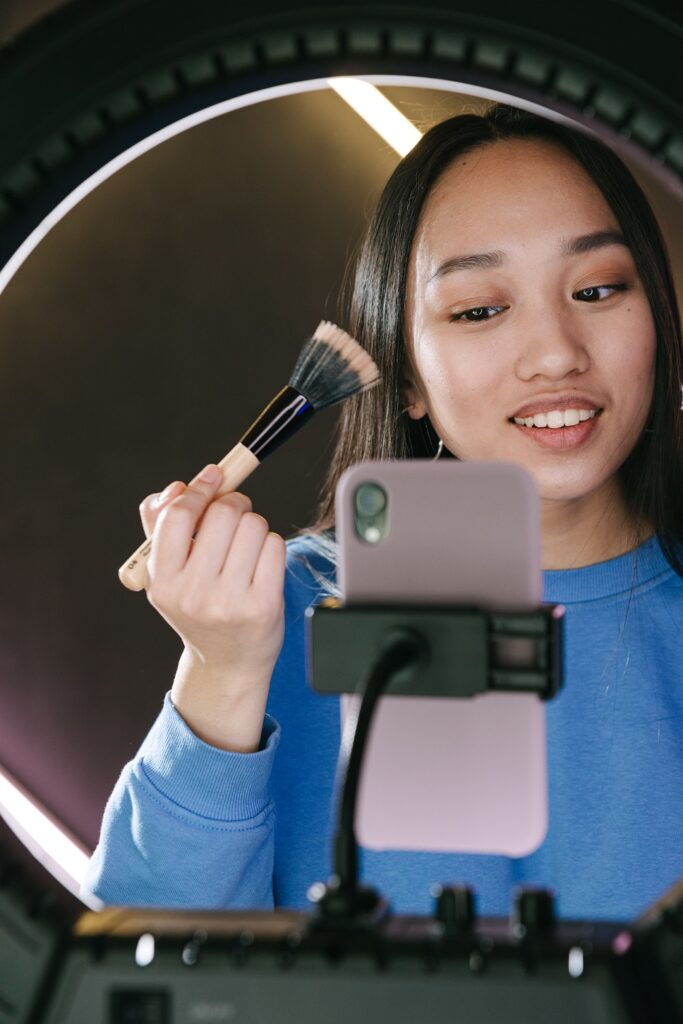
The fact that TikTok content often seems authentic and uncensored is one of the main reasons the recommendations that come from it are so powerful. In contrast to advertisements, TikTok videos are typically shot informally, in creators’ personal environments. In addition to sharing personal experiences, stories, and speaking organically, creators frequently demonstrate how products and services fit into their daily routines. Because this type of content mimics conversations with friends and family, it feels more legitimate.
On TikTok, flaws can actually boost this concept. Unscripted emotions, unsteady cameras, messy backgrounds, and seemingly careless editing frequently give content a more authentic vibe. People associate perfection with traditional advertising styles, and when that is what’s on social media, it can feel less reliable to the viewer.
Relatable content creates stronger connections
Video trends that seem like more personal recommendations than advertisements are very popular on TikTok. The #GRWM (Get Ready With Me) hashtag, for instance, now has over 59 billion views.
Other examples of this type of content include:
- Skincare products
- Clothing Hauls
- Restaurant Suggestions
- Amazon Finds
- Fitness Routines
- How To’s
45% of media users say they frequently or occasionally buy products after seeing them promoted by influencers on social media, according to Morning Consult.
Even a content creator who isn’t super popular and doesn’t have hundreds of thousands of followers can influence people’s buying habits. In fact, sometimes creators with smaller fan bases are even more convincing because the viewer sees themself in them and thinks, “Oh, that person is just like me”.
Community and engagement drive consumer decisions
The ability to have direct interactions with consumers is another reason brands have found value in TikTok, compared to traditional advertisements. Beyond the brand-customer engagement potential, the ability for TikTok users to see what each other is saying in the comments section can help with decision-making, as well as create a sense of community. And the brands that are successful focus on creating some type of connection or relationship with their audiences rather than only pushing out one-way communication.
How brands are adapting their strategies
Brands are seeing both consumers’ desire and their response to content that feels relatable and genuine. Whether this was the cause or effect of TikTok’s massive growth in recent years, brands and their PR and marketing teams have altered their social communication strategies to respond accordingly.
They are seeking out collaborations with creators whose personas and audience relationships align with their goals, and making both brand- and user-generated content that feels natural in the TikTok space a key component in communication tactics.
The future of brand promotion in the TikTok era
TikTok has completely altered how people find items, build trust, and connect with brands. Simultaneously, while traditional advertising is by no means going extinct, its impact is changing in response to savvier consumers who demand authenticity and transparency from the companies they are choosing to support.

At the end of the day, people trust other people. Whether it’s a student recommending their new favorite latte at a local coffee shop or a top creator reviewing a skincare product in their bathroom, relatable material fosters a feeling of connectedness that continues to move the needle for brands. The ability to adapt as this space continues to evolve is crucial for success.
This guest blog was written by 3E PR intern Alyssa Alfano.